
Show, Don't Tell Home Buyers
4 MIN READ
"Show, don't tell" is a fundamental principle in literature and storytelling that advises writers to convey information through action, dialogue, thoughts, sensory details, and feelings, rather than through direct statements. This approach creates a more immersive and engaging experience for the reader.
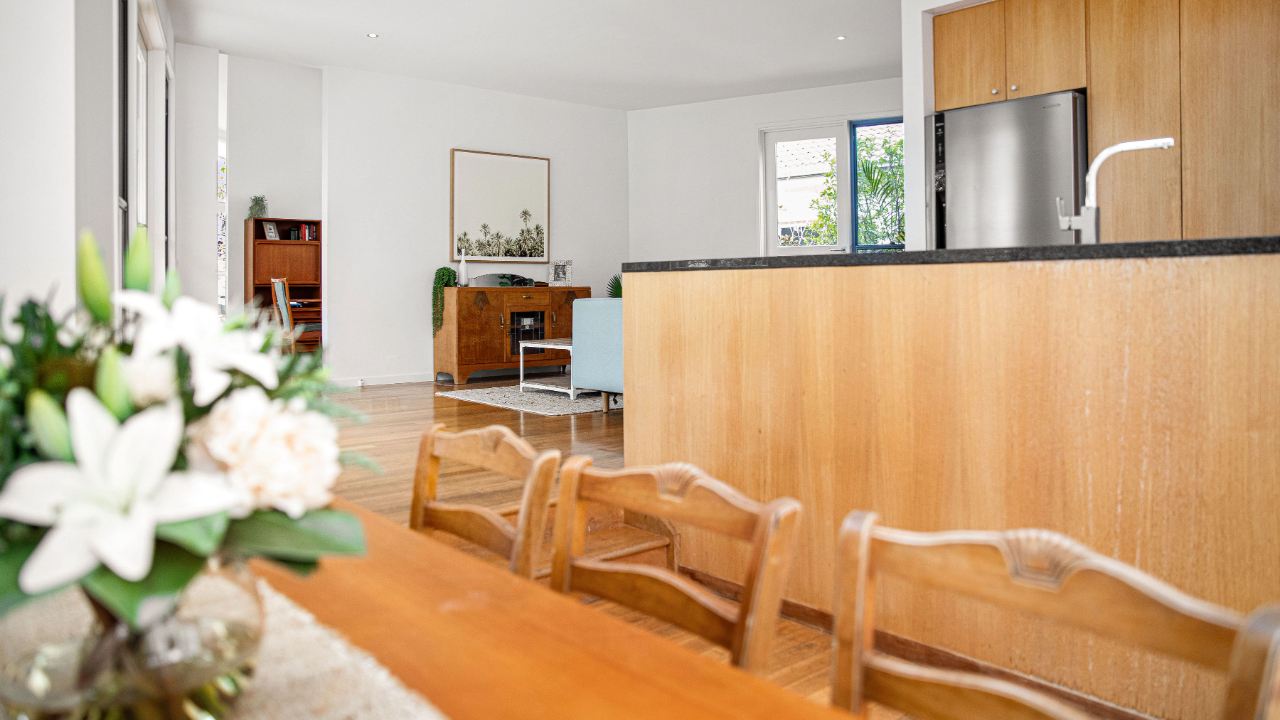
Applying the "Show, don't tell" principle to styling a home for sale involves creating an environment where potential buyers can visualise themselves living comfortably and happily in the space without needing explicit explanations.
Here’s how you can effectively "show" the best aspects of the home:
1. Create Inviting Spaces
Living Room:
- Show: Arrange furniture to create a cosy and functional living space. Usimg details to bounce the eye across the room, such as soft lighting, a coffee table with a couple of attractive books, plants, or even a plush throw on the couch, directs buyers beyond the furniture and furnishings to the structure of the home.
- Don't Tell: If your budget allows, avoid well-loved furniture and a 'lived-in' feel. You want it to feel like their house, not yours.
Kitchen:
- Show: Keep countertops clear except for a few strategically placed items like a bowl of fresh fruit or a stylish coffee maker.
- Don't Tell: Keep it simple.It's already obvious how the space can be used, so don’t set the table to show off your attractive dishes. Instead, use furniture items and simple settings to lead the buyers eyes to the depth and breadth of the connected spaces using existing furniture and decor.
2. Highlight Functionality
Storage Solutions:
- Show: Organise storage spaces neatly. Use clear storage bins, matching hangers, and label containers to illustrate the potential for organized living.
- Don't Tell: Avoid merely mentioning that the home has "ample storage space."
Home Office:
- Show: Set up a small desk with a comfortable chair, a laptop, and a few office supplies in a quiet corner to demonstrate a functional workspace.
- Don't Tell: Don't only highlight that the home has "a great spot for a home office."
3. Use Sensory Details
Aromas:
- Show: Use subtle, pleasant scents like fresh flowers, a bowl of citrus fruits, or a gentle vanilla or lavender diffuser to create a welcoming atmosphere.
- Don't Tell: Don’t just say the home "smells nice."
Textures:
- Show: Incorporate various textures through rugs, cushions, and throws to make spaces feel inviting and comfortable. A soft, fluffy rug underfoot or a silky pillow can enhance the tactile experience.
- Don't Tell: Avoid just saying the home is "comfortable."
4. Demonstrate Lifestyle
Outdoor Space:
- Show: Arrange patio furniture attractively, perhaps with a pitcher of lemonade and glasses on the table, or set up a barbecue area to suggest outdoor entertaining.
- Don't Tell: Don’t just describe the backyard as "perfect for parties."
Entertainment Areas:
- Show: Set up entertainment areas with clear purposes, such as a game room with a board game in progress or a media room with a cozy setup for movie nights.
- Don't Tell: Avoid simply stating that the home "has great spaces for entertaining."
5. Appeal to Emotions
Bedrooms:
- Show: Create serene and restful environments with well-made beds, soft lighting, and minimal but meaningful decorations like a framed picture or a vase of fresh flowers.
- Don't Tell: Don't just describe the bedroom as "peaceful and relaxing."
Bathrooms:
- Show: Place fluffy towels, a beautiful soap dispenser, and perhaps a small plant or candle to suggest a spa-like experience.
- Don't Tell: Avoid simply saying the bathroom is "luxurious."
Conclusion
By applying the "Show, don't tell" principle to home styling, you allow potential buyers to experience the home’s best qualities firsthand. This approach can make the property more appealing and help buyers imagine themselves living in the space, ultimately making it more likely that the home will sell quickly and for top dollar.
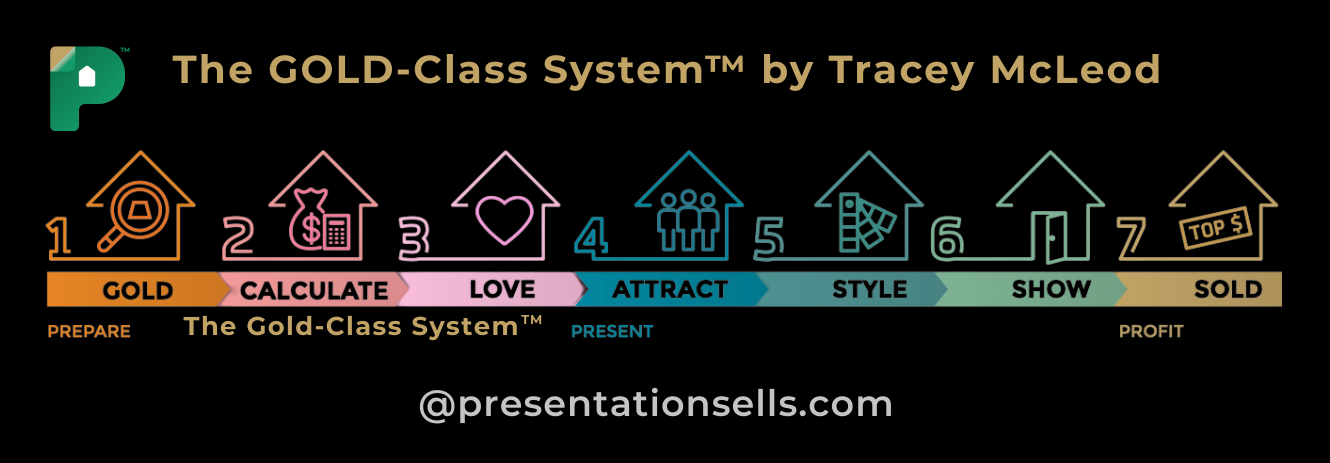
'House Proud Home Sellers', is an online property styling course that addresses the home presentation needs of owner-occupied home sellers on any budget. It also equips professional home stagers, property stylists, real estate agents, interior decorators, designers and related trades with the skills to expand into occupied home staging.Using The GOLD-Class system by award-winning occupied home stylist Tracey McLeod explains how to prepare, present, and profit from your home for sale - no matter your price point or budget for selling.Your home will stand out and sell using a style of home presentation that attracts high buyer interest, multiple offers, and record sale times for motivated owner-occupied home sellers.INTRODUCTORY PRICING:Get started today: @presentationsells.com/hphs-program